As a supplier that’s spent 12 years selling, repairing, and listening to grass chopper users—from small family farm owners to commercial landscaping crews—I’ve seen firsthand how the gap between a well-running chopper and a useless, overburdened machine often comes down to consistent, actionable practices, not just brand name or price. Too many folks treat a grass chopper like a set-it-and-forget-it tool: fire it up, mow the grass, and dump the clippings without a second thought. But skip the small, regular steps, and you’ll end up with clogged blades, a smoking engine, or a machine that breaks down mid-job. Over the years, I’ve compiled the practices that not only extend a chopper’s life by 30% or more (based on our in-house service data) but also make the clippings useful instead of a mess. Let’s break them down, no corporate jargon, just the lessons we’ve learned from customers who come back again and again. Grass Chopper
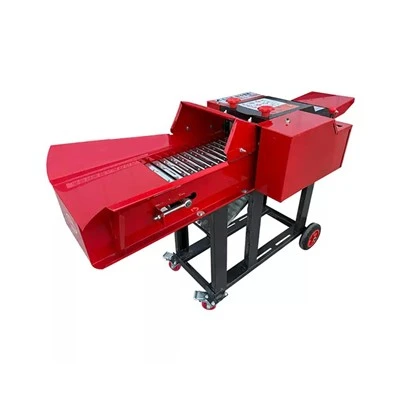
First, the foundation: pre-use inspections that take 5 minutes, not 50. I can’t tell you how many times a customer has showed up to our repair shop at 7 a.m., red-faced, saying, “I ran over a rock and broke my blade.” That’s avoidable. Before every single use, skip the long, tedious checks, and stick to three non-negotiable steps. First, inspect the deck’s interior for debris—last week, a customer found a half-buried garden stake in their clippings before firing up the machine; they were able to pull it out, whereas someone else would have sent that stake spinning into a blade, cracking it. Second, check the blade tension and sharpness. Dull blades don’t chop grass, they tear it, which leaves uneven clippings that clump, clog the chute, and can even stress your mower’s engine. We always recommend using a sharpening stone or a professional sharpening service every 10-15 hours of use, or if you run your chopper over uneven terrain (like rocky pastures). A quick way to test sharpness: grab a fresh blade, hold it up to a piece of grass. If it cuts through with a single clean snip, it’s good; if you have to saw back and forth, it’s time to sharpen. Third, check the fuel system if you’re using a gas-powered model (we sell both gas and electric, so this applies to our gas line). Old fuel left in the tank over winter turns gummy, which clogs carburetors. If you’re storing the chopper for more than a week, empty the fuel tank (or add a fuel stabilizer—we stock that too) to keep the engine running smooth. I once had a new customer buy a chopper in March, left the gas in the tank all winter, and spent $450 on a carburetor clean before we even did a demo. Don’t be that person.
Next, chopper operation: how you run the machine matters more than you think. A lot of new users think, “Just hold down the throttle and go,” but that’s a fast track to overheating and wasted clippings. First, match your chopper’s speed to the grass height and condition. If you’re cutting tall, thick grass (like after a rain, or a pasture that’s been missed for two weeks), slow down. If you’re mowing at full throttle, the machine is trying to chop more grass than its blades can process, so it will drag, clog, and burn extra fuel. We’ve found that a 2 mph pace for tall grass is ideal, compared to 3-4 mph for short, dry residential grass. Second, don’t overfill the hopper. The hopper is designed to hold clippings, not feed the blades nonstop. If you push too much grass into the deck at once, it compacts, clogs the discharge chute, and can cause the engine to stall. A good rule: add grass in 2-3 small handfuls at a time, wait 5 seconds for the blades to process it, then add more. Last, never run the chopper in reverse with the blades engaged. That’s a top cause of blade damage and even operator injury—we’ve had three customers over the years hit a curb while reversing, blades spinning, and break their blade housing. If you need to turn around, disengage the blades first, then reverse. It’s a small step, but it prevents a lot of costly mistakes.
Then, maintenance: the steps that keep your chopper running for years, not months. This is where most users fall short—they only do maintenance when something breaks, but regular upkeep is way cheaper and faster. First, empty and clean the deck after every use. Clippings left in the deck turn into mold, bacteria, and that slimy gunk that hardens over time, making the blades drag. Even a quick rinse (with the engine off, obviously) after mowing will keep the deck clean. For heavy buildup, use a putty knife to scrape it out, don’t use a pressure washer—too much pressure can damage the blade bearings and seals, which leads to leaks. Second, lubricate moving parts monthly. The blade pivot, the discharge chute hinge, and the wheel bearings all need lubrication to prevent wear. We recommend using a light, food-safe lubricant (since a lot of customers use their choppers for vegetable garden clippings) every 30 hours of use, or once a month if you use it regularly. Third, store it properly when not in use. Too many people leave their choppers outside, exposed to rain, sun, and critters that chew wires and nests in the engine. Store it in a dry, covered space, like a garage or a shed. If you can’t, cover it with a breathable tarp—never a plastic one, that traps moisture and causes rust. For winter storage, we also recommend removing the blades, cleaning them, and coating them with a thin layer of oil to prevent rust. We’ve had customers buy a chopper, use it for one summer, store it outside, and have the blades rust so bad they can’t sharpen them—they end up buying new blades, which is an avoidable cost.
Now, best practices for clippings management—because a grass chopper isn’t just for chopping, it’s a tool to turn waste into resource. A lot of users dump their clippings in the trash, but with the right practices, they can be a free fertilizer. First, avoid chopping wet grass. Wet clippings clump, stick to the deck, and take longer to break down if you use them for mulch. Wait 24 hours after rain before mowing, or mow in the early morning when dew has dried. Second, don’t chop grass that’s too long (over 6 inches) in one pass. If your grass is that tall, mow it in two shorter passes—first cut it to 3 inches, then the next day cut to 1.5 inches. That way, the chopper can process it easily, and the clippings won’t clump. Third, if you’re using clippings for compost, add them in thin layers (no more than 2 inches) and mix them with brown materials like leaves or wood chips. Too many green clippings can make your compost smelly and slimy, so balance is key. For customers who are commercial landscapers, we also recommend using a mulcher attachment (we sell those too) for finer clippings, which are great for top dressing lawns, since they break down faster and don’t thatch up.
Wait, let’s address the mistakes I see most often—things that even experienced users do. A common one: using the wrong fuel. If you have a gas chopper, don’t use E15 fuel, or fuel with more than 10% ethanol. Ethanol attracts moisture, which gums up the fuel system. We always tell customers to use standard unleaded, 87 octane, for best results. Another mistake: ignoring vibration. If your chopper starts vibrating more than usual, that’s a sign the blades are unbalanced, or the blade bolt is loose. Stop using it immediately, check the blades—unbalanced blades can cause damage to the engine and even the deck frame over time. Last, don’t modify your chopper. I’ve had customers add bigger blades, or cut the deck down to make it lighter, and that almost always leads to problems. Our choppers are engineered with specific blade sizes and deck sizes for a reason, so modifications void the warranty and can make the machine unsafe.
I know this sounds like a lot, but these practices are what make a grass chopper worth the investment. A good chopper can last 10+ years if you take care of it, but if you skip these steps, you’ll be replacing it every 2-3 years, which ends up costing more in the long run. For context, our top-selling commercial chopper has a 5-year average lifespan for customers who follow these practices, compared to 2 years for those who don’t.
If you’re in the market for a new grass chopper, or you have one that’s not performing like it should, we can help. Our team has been working with small farms, landscapers, and homeowners for over a decade, and we don’t just sell machines—we give support, sharpening guides, and even free tips on clippings management. Whether you need a chopper for your backyard garden, a small pasture, or a commercial landscaping business, we can help you pick the right model and keep it running for years. Reach out to us to discuss your specific needs, and we’ll walk you through the best options.
Wood Crusher References:
- American Lawn Mower Company. Best Practices for Power Lawn Equipment Maintenance, 2022.
- National Small Farm Coalition. Equipment Care and Longevity for Small-Scale Agricultural Tools, 2021.
- University of California Agriculture and Natural Resources. Compost Management Guidelines for Garden Clippings, 2020.
- Outdoor Power Equipment Institute. Safety and Operation Standards for Grass Choppers, 2023.
- International Society of Arboriculture. Tool Maintenance for Landscaping Professionals, 2022.
Zhengzhou Xinyihaotong Machinery Manufacturing Co., Ltd.
As one of the most professional grass chopper manufacturers in China, we also support custom service. We warmly welcome you to buy high quality grass chopper for sale here from our factory. For price consultation, contact us.
Address: Rooms 2301–2312, Jiayi Building, Xinxiang City, Henan Province, China
E-mail: zhaoyixuan5566@gmail.com
WebSite: https://www.xyhtmachinery.com/
