Can a vertical machining center be used for woodworking? Vertical Machining Center

As a supplier of vertical machining centers, I’m frequently asked whether these powerful machines can be adapted for woodworking tasks. It’s an intriguing question that delves into the versatility of vertical machining centers and the unique requirements of woodworking. In this blog post, I’ll explore the feasibility of using a vertical machining center for woodworking, weighing the pros and cons, and providing practical insights based on my industry experience.
Understanding the Vertical Machining Center
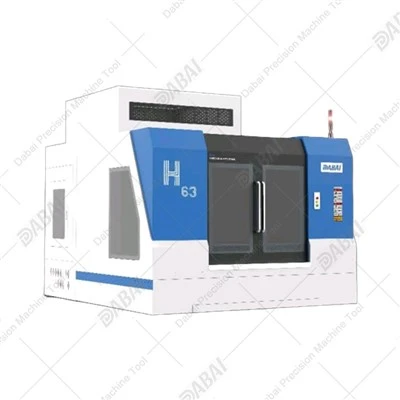
Before we dive into the woodworking application, let’s first understand what a vertical machining center is. A vertical machining center (VMC) is a computer – numerical – controlled (CNC) machine tool. It features a vertically oriented spindle, which holds the cutting tool. The workpiece is placed on a table that can move in multiple axes (usually three to five axes), allowing for precise and complex machining operations.
VMCs are commonly used in metalworking industries for tasks such as milling, drilling, and tapping. They offer high precision, repeatability, and the ability to create detailed parts. The combination of a powerful spindle, accurate motion control, and advanced programming capabilities makes VMCs a staple in modern manufacturing.
Feasibility of Using a VMC for Woodworking
Advantages
-
Precision and Repeatability: Woodworking projects often require high levels of precision, especially for custom furniture, cabinetry, and intricate wooden designs. A VMC can offer extremely accurate cuts, consistent part sizes, and tight tolerances. Once a program is set up, the machine can repeat the same operation with minimal variation. For example, when creating dovetail joints or inlay work, the precision of a VMC ensures a perfect fit every time.
-
Complex Machining: Woodworkers may need to create complex three – dimensional shapes, contours, or patterns that are difficult or impossible to achieve manually. A VMC with multi – axis capabilities can easily handle these tasks. It can carve out detailed reliefs, create custom profiles, and perform undercuts, which are essential for high – end woodworking projects.
-
Efficiency: In a production environment, a VMC can significantly increase productivity. It can work continuously without fatigue, reducing the time required to complete a project. Multiple operations can be combined in a single setup, eliminating the need for manual re – positioning of the workpiece and reducing production time.
-
Automation: With the integration of CAD/CAM software, designing and programming the VMC for woodworking projects becomes relatively straightforward. Complex designs can be translated into machine code, allowing for automated production. This not only speeds up the process but also reduces the margin for human error.
Disadvantages
- Cost: Vertical machining centers are generally expensive pieces of equipment. In addition to the initial purchase price, there are costs associated with installation, training, and maintenance. For small – scale woodworking shops or hobbyists, the cost may be prohibitive.
- Dust and Chip Management: Woodworking generates a large amount of dust and chips. VMCs are typically designed for metalworking, where the chips are heavier and more manageable. The fine dust produced by woodworking can pose a significant challenge for the VMC’s mechanical and electrical components. Special dust collection systems need to be installed to prevent dust from entering the machine and causing damage.
- Tooling: While VMCs can use a wide range of cutting tools, woodworking requires specific types of tools. Wood is a softer material than metal, so the cutting tools need to be sharp and designed to cut through wood fibers efficiently. Using the wrong tools can result in poor surface finishes, tear – outs, or damage to the workpiece.
Considerations for Using a VMC in Woodworking
Tool Selection
Selecting the right tools is crucial for successful woodworking on a VMC. High – speed steel (HSS) and carbide – tipped tools are commonly used. HSS tools are more affordable and suitable for general woodworking tasks, while carbide – tipped tools offer better durability and can handle higher cutting speeds, making them ideal for production – level woodworking.
The geometry of the cutting tool also matters. For example, end mills with a high helix angle are better at chip evacuation, which is important when cutting wood. Ball – nose end mills are useful for creating smooth contours and three – dimensional shapes.
Programming
The programming of a VMC for woodworking should take into account the properties of wood. Unlike metal, wood can have different densities and grain patterns, which can affect the cutting process. The cutting speed, feed rate, and depth of cut need to be carefully adjusted to achieve the best results.
CAM software can be used to generate toolpaths based on the design of the workpiece. It allows woodworkers to simulate the machining process and optimize the toolpaths for the best efficiency and surface finish.
Workholding
A proper workholding system is essential to ensure the stability of the workpiece during machining. Clamps, vises, and vacuum tables are common workholding methods in woodworking. Vacuum tables are particularly useful for flat workpieces as they provide a secure hold without marring the surface.
Real – World Applications
There are several real – world applications where a VMC can be effectively used in woodworking.
- Furniture Manufacturing: In the production of high – end furniture, a VMC can be used to create complex joinery, decorative elements, and precision – cut parts. For example, in making a handmade cabinet, the VMC can cut out the dovetail joints, create the intricate moldings, and drill the holes for hardware.
- Musical Instrument Making: The manufacturing of musical instruments such as guitars, violins, and pianos often requires high precision and complex shaping. A VMC can be used to create the bodies, necks, and other components with consistent quality.
- Sign Making: Wood signs with detailed designs and letters can be efficiently produced using a VMC. The machine can cut out the letters, add decorative elements, and create a smooth surface finish.
Conclusion
In conclusion, a vertical machining center can indeed be used for woodworking. While there are some challenges to overcome, such as cost, dust management, and tooling, the benefits of precision, complex machining, efficiency, and automation make it a viable option for many woodworking applications.
Vertical Machining Center If you’re considering integrating a vertical machining center into your woodworking operations, I’m here to help. As a seasoned supplier of vertical machining centers, I can offer you in – depth product knowledge, customized solutions, and reliable after – sales support. Whether you’re a small – scale woodworker looking to expand your capabilities or a large – scale furniture manufacturer seeking to increase productivity, I’m confident that we can find a suitable vertical machining center for your needs. Please feel free to contact me to start discussions about potential purchases and how I can support your woodworking business.
References
- "CNC Machining Handbook", Industrial Press Inc.
- "Woodworking Machinery and Processes" by R. Bruce Hoadley
Dabai Precision Machine Tool (Jiangsu) Co., Ltd.
As one of the most professional vertical machining center manufacturers and suppliers in China, we’re featured by quality products and good price. Please rest assured to buy advanced vertical machining center for sale here from our factory. We also accept customized orders.
Address: No. 66-1, Zhenhu North Road, Hudai Town, Binhu District, Wuxi City
E-mail: elaine@dabaicnc.com
WebSite: https://www.cnc-dabai.com/
