Hey there! As a supplier of cladding bars for the PCB and metallurgy industry, I often get asked about the regulatory requirements surrounding these products. It’s a crucial topic, as compliance with the right regulations ensures not only the quality of our products but also the safety and efficiency of the industries that rely on them. So, let’s dive right into it. Cladding Bar for PCB and Metallurgy Industry

Understanding the Basics of Cladding Bars
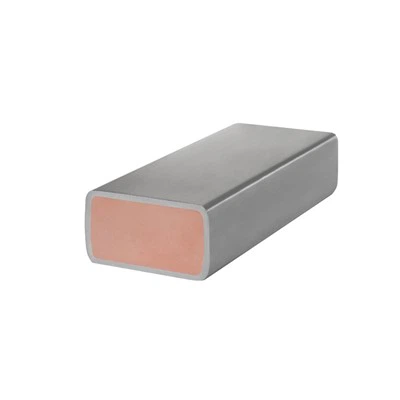
First off, let’s quickly go over what cladding bars are. In the PCB (Printed Circuit Board) and metallurgy industry, cladding bars are used to provide a specific set of properties to a base material. They’re often made by bonding two or more different metals together, creating a composite bar that combines the best features of each component. For example, in the PCB industry, cladding bars can be used to enhance conductivity, corrosion resistance, and mechanical strength.
Regulatory Bodies and Their Roles
There are several regulatory bodies that have a say in the requirements for cladding bars. One of the big ones is the International Electrotechnical Commission (IEC). The IEC sets international standards for all things electrical and electronic, including PCBs. Their standards cover everything from the materials used in cladding bars to the manufacturing processes. Compliance with IEC standards is a must if you want to sell your products on a global scale.
Another important regulatory body is the American Society for Testing and Materials (ASTM). ASTM develops and publishes technical standards for a wide range of materials and products, including those used in the metallurgy industry. Their standards for cladding bars focus on things like chemical composition, mechanical properties, and dimensional tolerances.
In the European Union, the Restriction of Hazardous Substances Directive (RoHS) plays a huge role. RoHS restricts the use of certain hazardous materials, such as lead, mercury, cadmium, and hexavalent chromium, in electrical and electronic equipment, including PCBs. As a supplier of cladding bars, we need to make sure that our products are RoHS compliant to sell them in the EU.
Specific Regulatory Requirements
Chemical Composition
The chemical composition of cladding bars is tightly regulated. Different industries have different requirements for the elements that can be present in the bars. For example, in the PCB industry, the presence of certain elements can affect the electrical conductivity and soldering properties of the bars. So, regulatory standards specify the maximum allowable levels of elements like copper, aluminum, and zinc.
Mechanical Properties
Mechanical properties, such as tensile strength, yield strength, and hardness, are also important. These properties determine how well the cladding bars can withstand the stresses and strains they’ll encounter during use. ASTM and other regulatory bodies have specific test methods and requirements for these properties. For example, a cladding bar used in a high-stress application might need to have a higher tensile strength than one used in a less demanding application.
Dimensional Tolerances
Dimensional tolerances are another key area of regulation. The size and shape of cladding bars need to be within a certain range to ensure proper fit and function. In the PCB industry, for example, the thickness and width of the cladding bars can affect the performance of the circuit boards. Regulatory standards specify the allowable variations in dimensions to ensure consistency and quality.
Surface Finish
The surface finish of cladding bars is also regulated. A smooth, clean surface is important for good bonding and electrical contact. Standards specify the requirements for surface roughness, cleanliness, and the presence of any defects or contaminants.
Importance of Compliance
Compliance with these regulatory requirements is not just a matter of ticking boxes. It’s essential for the success of our business and the industries we serve. For one thing, compliance ensures the quality and reliability of our products. Customers rely on us to provide cladding bars that meet their needs and perform as expected. By following the regulations, we can be confident that our products will do just that.
Secondly, compliance helps us avoid legal issues. Failing to meet regulatory requirements can result in fines, product recalls, and damage to our reputation. No one wants to deal with that kind of headache, so it pays to stay on top of the regulations.
Finally, compliance can give us a competitive edge in the market. Many customers, especially large corporations and government agencies, require their suppliers to be compliant with relevant regulations. By being able to demonstrate our compliance, we can open up new business opportunities and build stronger relationships with our customers.
How We Ensure Compliance
As a supplier, we take compliance very seriously. We have a dedicated quality control team that monitors every step of the manufacturing process to ensure that our cladding bars meet all the regulatory requirements. We use state-of-the-art testing equipment to analyze the chemical composition, mechanical properties, and dimensional accuracy of our products.
We also stay up-to-date with the latest regulatory changes. The regulatory landscape is constantly evolving, so it’s important for us to know about any new requirements or updates to existing standards. We subscribe to industry newsletters, attend conferences, and participate in regulatory working groups to stay informed.
In addition, we work closely with our raw material suppliers to ensure that the materials we use are compliant. We require our suppliers to provide certificates of compliance and conduct our own tests to verify the quality of the materials.
Conclusion
In conclusion, the regulatory requirements for cladding bars in the PCB and metallurgy industry are complex but essential. They cover everything from chemical composition to surface finish, and compliance is crucial for the quality, safety, and success of our products. As a supplier, we’re committed to meeting these requirements and providing our customers with the highest quality cladding bars.
ABS Insulating Edge Strips If you’re in the market for cladding bars for your PCB or metallurgy application, I’d love to talk to you. Whether you have questions about our products, the regulatory requirements, or anything else, feel free to reach out. Let’s work together to find the perfect solution for your needs.
References
- International Electrotechnical Commission (IEC) standards.
- American Society for Testing and Materials (ASTM) standards.
- Restriction of Hazardous Substances Directive (RoHS).
AATI Cathode Co., Ltd.
AATI Cathode Co., Ltd. is one of the leading cladding bar for pcb and metallurgy industry manufacturers and suppliers in China. We warmly welcome you to buy high-grade cladding bar for pcb and metallurgy industry made in China here from our factory. All customized products are with high quality and competitive price. Contact us for free sample.
Address: NO. 1, ZHENXING ROAD, BAOJI CITY, SHAANXI, CHINA
E-mail: ivy@bjaati.com
WebSite: https://www.bjcathode.com/
