Silicone gaskets are a crucial component in various industries, offering unique properties that make them a preferred choice for many applications. As a gasket supplier, I’ve had the privilege of working with these remarkable products and witnessing their versatility firsthand. In this blog post, I’ll delve into what silicone gaskets are, their properties, applications, manufacturing processes, and why they might be the right choice for your next project. Gasket

What Are Silicone Gaskets?
At its core, a silicone gasket is a mechanical seal made from silicone rubber. Silicone is a synthetic elastomer, a type of polymer that exhibits elastic properties. These gaskets are used to prevent the leakage of liquids or gases between two or more mating surfaces. They are commonly placed between two parts and compressed during assembly to create a tight seal.
The composition of silicone rubber gives it distinct advantages over other elastomers. Silicone is made up of silicon, oxygen, carbon, and hydrogen atoms, arranged in a polymer chain. This molecular structure endows silicone with exceptional thermal, chemical, and mechanical properties.
Properties of Silicone Gaskets
Temperature Resistance
One of the most significant advantages of silicone gaskets is their outstanding temperature resistance. They can withstand a wide range of temperatures, from extremely low cryogenic temperatures as low as -60°C to high temperatures up to 230°C or even higher in some cases. This makes them suitable for applications in environments where temperature fluctuations are common, such as automotive engines, industrial ovens, and aerospace systems.
Chemical Resistance
Silicone gaskets are highly resistant to many chemicals, including water, oil, acids, and alkalis. This chemical resistance makes them ideal for use in industries where they may come into contact with various substances, such as the food and beverage industry, pharmaceutical industry, and chemical processing plants. However, it’s important to note that silicone may not be resistant to all chemicals, and it’s essential to consult a material compatibility chart before using silicone gaskets in a specific chemical environment.
Weather Resistance
Silicone gaskets are also excellent at withstanding the effects of weathering. They are resistant to ultraviolet (UV) radiation, ozone, and moisture, which means they won’t degrade or become brittle when exposed to outdoor conditions. This makes them a popular choice for outdoor applications, such as in construction, where they are used to seal windows, doors, and roofing systems.
Electrical Insulation
Silicone is a good electrical insulator, which makes silicone gaskets suitable for electrical and electronic applications. They can be used to prevent electrical leakage and protect sensitive components from moisture and dust. For example, silicone gaskets are commonly used in consumer electronics, such as smartphones and laptops, as well as in industrial electrical equipment.
Compression Set Resistance
Silicone gaskets have excellent compression set resistance, which means they can maintain their shape and sealing properties even after being compressed for long periods. This is crucial for applications where a consistent seal is required over time, such as in automotive engines and hydraulic systems.
Applications of Silicone Gaskets
Automotive Industry
In the automotive industry, silicone gaskets are used in a variety of applications. They are commonly found in engine compartments, where they seal engine components, such as cylinder heads, oil pans, and intake manifolds. Silicone gaskets can withstand the high temperatures and pressures generated by the engine, ensuring a tight seal and preventing oil and coolant leaks. They are also used in other parts of the vehicle, such as the doors, windows, and sunroofs, to provide weather sealing and reduce noise.
Food and Beverage Industry
The food and beverage industry has strict hygiene and safety standards, and silicone gaskets are a popular choice due to their non-toxic and food-grade properties. They are used in equipment such as food processing machinery, beverage dispensers, and storage containers to prevent contamination and ensure the quality of the products. Silicone gaskets can withstand the cleaning and sterilization processes required in the food industry, making them a reliable and long-lasting option.
Medical and Pharmaceutical Industry
In the medical and pharmaceutical industry, silicone gaskets are used in a wide range of applications, including medical devices, drug delivery systems, and laboratory equipment. They are biocompatible, which means they can be used in contact with the human body without causing harm. Silicone gaskets can also withstand high temperatures and pressures during sterilization processes, ensuring the safety and effectiveness of medical products.
Aerospace Industry
The aerospace industry demands high-performance materials that can withstand extreme conditions. Silicone gaskets are used in aircraft engines, fuel systems, and environmental control systems to provide sealing and insulation. They can withstand the high temperatures, pressures, and vibrations experienced during flight, ensuring the reliability and safety of aerospace equipment.
Construction Industry
In the construction industry, silicone gaskets are used for sealing windows, doors, and roofing systems. They provide weather protection, preventing water, air, and dust from entering the building. Silicone gaskets can also reduce noise and vibration, improving the comfort of the building occupants. Their durability and weather resistance make them a long-lasting solution for construction applications.
Manufacturing Processes of Silicone Gaskets
Compression Molding
Compression molding is one of the most common manufacturing processes for silicone gaskets. In this process, a pre-measured amount of silicone rubber is placed in a mold cavity. The mold is then closed, and heat and pressure are applied to the rubber. The heat causes the rubber to crosslink and form a solid shape, while the pressure ensures that the rubber fills the mold cavity completely. After the curing process is complete, the mold is opened, and the gasket is removed.
Injection Molding
Injection molding is another popular manufacturing process for silicone gaskets, especially for high-volume production. In this process, silicone rubber is heated and melted in a plasticating unit. The molten rubber is then injected into a mold cavity under high pressure. The mold is cooled to solidify the rubber, and the gasket is ejected from the mold. Injection molding offers high precision and repeatability, allowing for the production of complex-shaped gaskets with tight tolerances.
Extrusion
Extrusion is a manufacturing process used to produce silicone gaskets in continuous lengths. In this process, silicone rubber is forced through a die, which gives the gasket its shape. The extruded gasket is then vulcanized to cure the rubber and give it its final properties. Extrusion is suitable for producing gaskets with a uniform cross-section, such as seals for windows and doors.
Why Choose Silicone Gaskets?
If you’re considering gaskets for your next project, silicone gaskets offer several advantages. Their excellent temperature resistance, chemical resistance, weather resistance, electrical insulation, and compression set resistance make them a versatile and reliable choice. They can be customized to meet your specific requirements, including size, shape, hardness, and color. Whether you’re in the automotive, food and beverage, medical, aerospace, or construction industry, silicone gaskets can provide the sealing solution you need.
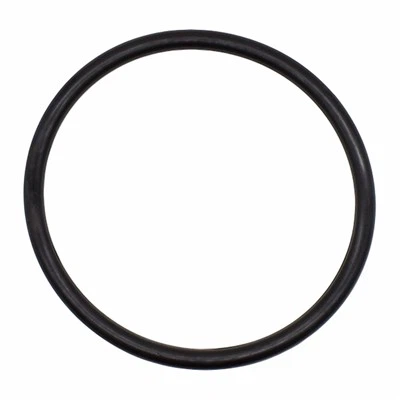
As a gasket supplier, I have the expertise and resources to provide you with high-quality silicone gaskets. We work closely with our customers to understand their needs and provide customized solutions. Our manufacturing processes ensure that our gaskets meet the highest quality standards, and we offer competitive pricing and excellent customer service.
Caps & Plugs If you’re interested in learning more about silicone gaskets or have a specific project in mind, I encourage you to contact us for a consultation. Our team of experts can help you determine the best gasket material and design for your application, and we’re ready to assist you throughout the procurement process.
References
- Elias, H. G. (2013). An Introduction to Polymer Science. Wiley-VCH.
- Bhushan, B. (Ed.). (2013). Encyclopedia of Tribology. Springer.
- ASTM International. (2022). Standard Terminology Relating to Rubber. ASTM D1566-22.
Haining Chaoyue Seals Co., Ltd.
As one of the most professional gasket manufacturers and suppliers in China, we offer a wide range of products with superior quality. Please feel free to wholesale high quality gasket made in China here from our factory. Also, custom service is available.
Address: Building 9, 158 Lianhong Road, Yuanhua Town, Jiaxing, Zhejiang, China.
E-mail: chaoyue@cyseals.com
WebSite: https://www.hncyseal.com/
